

News
Explore our lift solutions
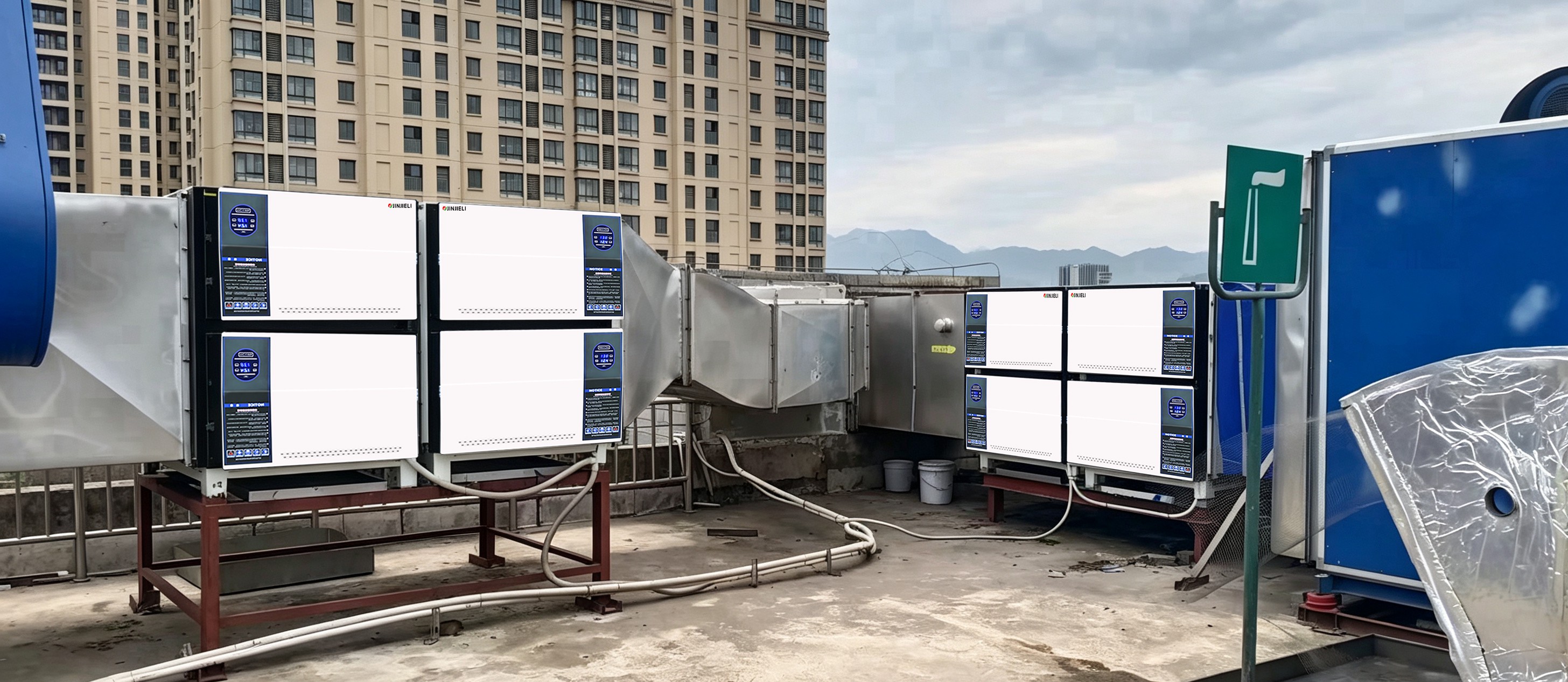
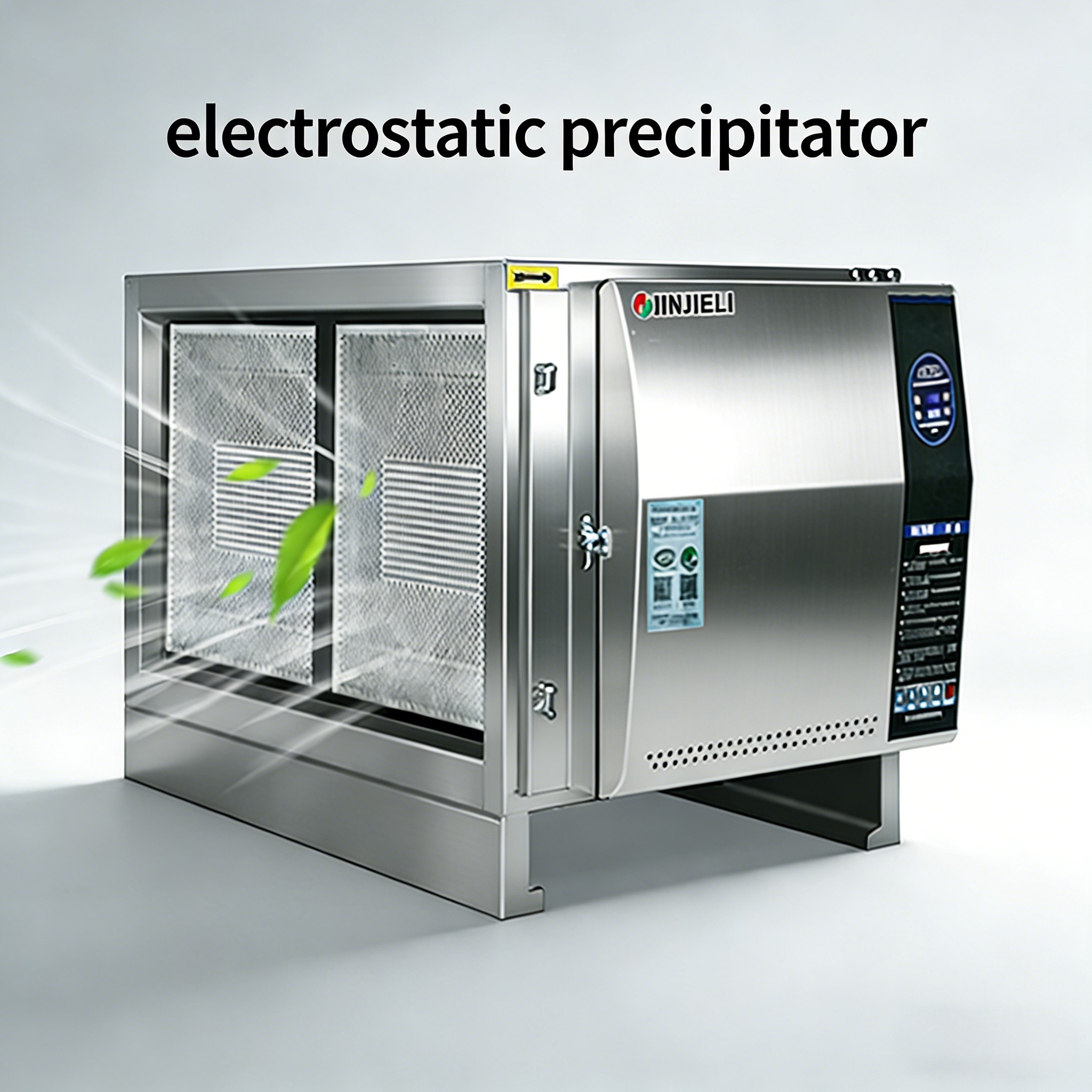
In today's catering industry, air quality is becoming increasingly important. Oil fumes not only affect the working environment, but may also pose a threat to health. Therefore, efficient catering electrostatic filters are important. This type of equipment uses advanced technology to effectively remove oil fumes and odors, ensuring fresh air in the kitchen. Manufacturers provide various solutions for catering establishments of different scales to meet different needs. For example, large restaurants can choose high air volume equipment, while small restaurants can choose compact purifiers. By implementing appropriate oil fume management measures, catering enterprises can maintain good hygiene standards while enhancing customers' dining experience.
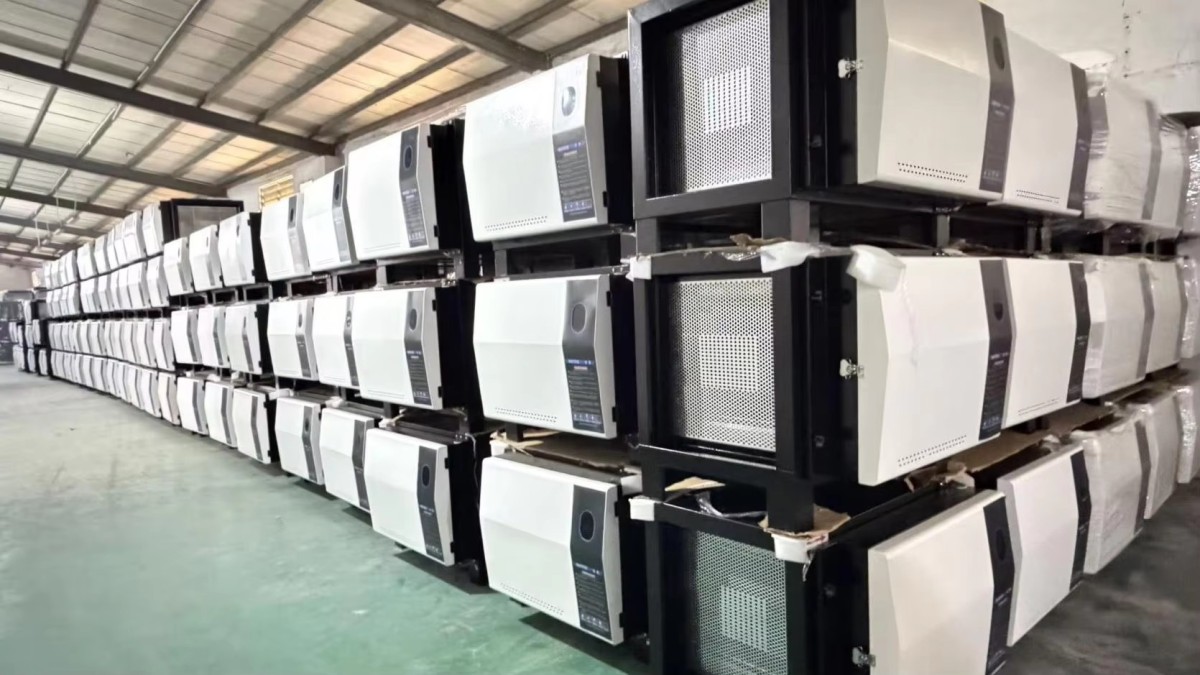
Selection guide for efficient and environmentally friendly catering electrostatic filters
Choosing the appropriate efficient and environmentally friendly catering electrostatic precipitator requires understanding the functions and characteristics of different equipment. These devices are mainly divided into three types: mechanical, chemical, and hybrid. Mechanical purifiers use physical methods to collect oil fumes, with a simple structure and easy maintenance, but their effectiveness is limited in places with high oil fume concentrations. Chemical equipment uses activated carbon or other materials to adsorb odors, making it suitable for various dining environments, especially small restaurants. The hybrid product combines the advantages of both and can purify the air more comprehensively.
Next, it is necessary to pay attention to purification efficiency and noise level. The ideal purifier should have at least 90% oil fume removal rate, while noise should be controlled within a reasonable range and not affect kitchen work. Also, it is necessary to consider the convenience of installation and maintenance, and avoid operational stagnation caused by complex programs.
Final solution. Large canteens and chain stores usually require larger air flow and high-efficiency equipment, while small restaurants can choose machines that are small in size, easy to operate, and energy-efficient. These considerations can help you find the most suitable oil fume purifier for your needs.
Methods to significantly improve the air quality in catering kitchens
Improving the air quality in catering kitchens can be approached from multiple aspects. Firstly, the use of efficient Jinjeili catering electrostatic precipitator is the core. This device can effectively capture oil fumes and odors, greatly improving air freshness. Next, regularly clean and maintain the kitchen to ensure the normal operation of equipment and reduce the generation of odors. In addition, a reasonable layout of the ventilation system is also important to ensure air circulation and effectively reduce the accumulation and retention of oil fumes. At the same time, the introduction of plants, such as chlorophytum comosum, can also absorb some harmful substances and further improve the air quality. Combining these methods can effectively create a healthier and more environmentally friendly kitchen environment.
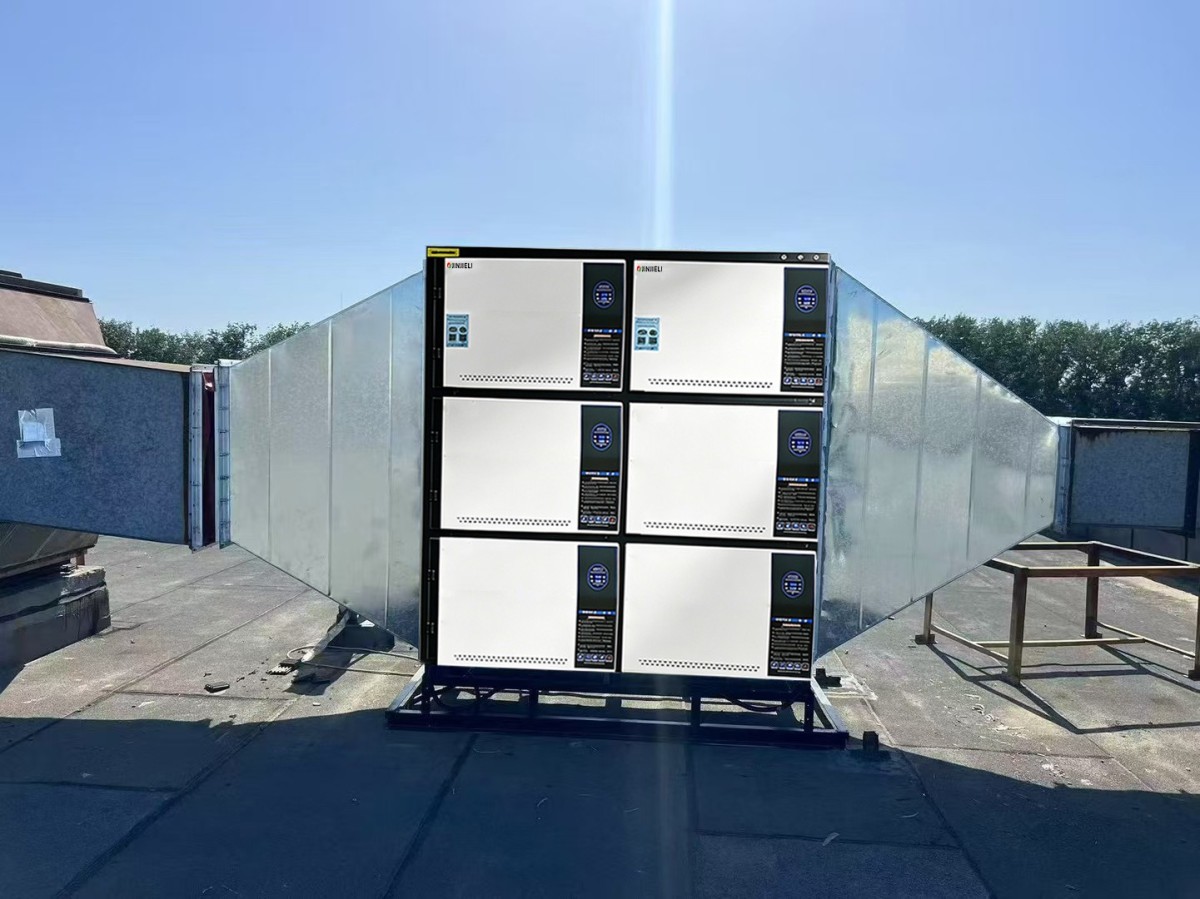
Oil fume purification solutions suitable for catering scenarios of different scales
In the catering industry, kitchens of different sizes face different oil fume challenges. For large catering enterprises, using commercial oil fume purifiers such as Jinjili Environmental Protection has become an ideal choice. This type of equipment usually has strong smoke removal capabilities and efficient emission standards, which can meet the air purification needs of high demand places. Small and medium-sized restaurants can choose more flexible small air purifiers to adapt to environments with limited space while still maintaining good air quality. Whether it's a buffet restaurant, fast food chain, or snack stall, these devices can provide effective solutions to ensure that cooking fumes are promptly processed during kitchen operations, meet environmental regulations, and create a healthier working environment.
How to standardize the oil fume emission standards and measures in the catering industry
Standardizing the oil fume emission standards in the catering industry requires starting from three aspects: institutional construction, implementation, and supervision. At the beginning, each region should establish strict oil fume emission standards and clarify specific environmental protection requirements. These standards should cover the operational characteristics of different types of catering enterprises in order to achieve flexible adjustments. At the same time, we should promote the use of advanced catering fume purifiers to improve the efficiency of fume treatment. Next, strengthen guidance on equipment installation and maintenance to ensure its normal operation and compliance with emission requirements. In addition, environmental training aims to enhance employees' awareness of environmental protection and compliance with regulations. Ultimately, effective supervision can be achieved by increasing the punishment for violations. These measures help establish a sound industry system and improve overall air quality.
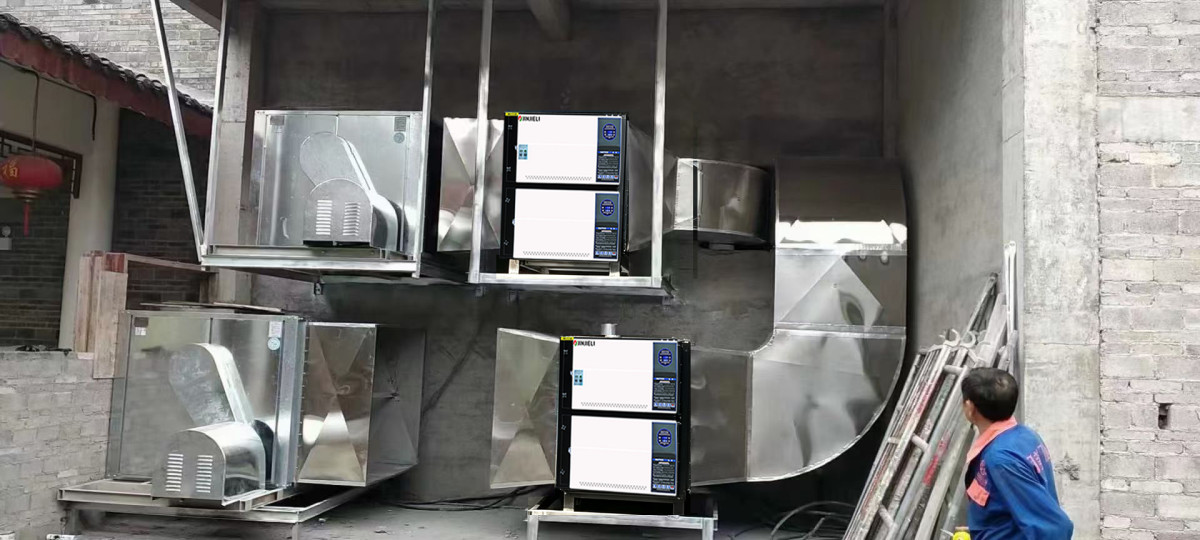
News Display
 Efficient catering fume purifier manufacturer provides environmentally friendly kitchen solutions
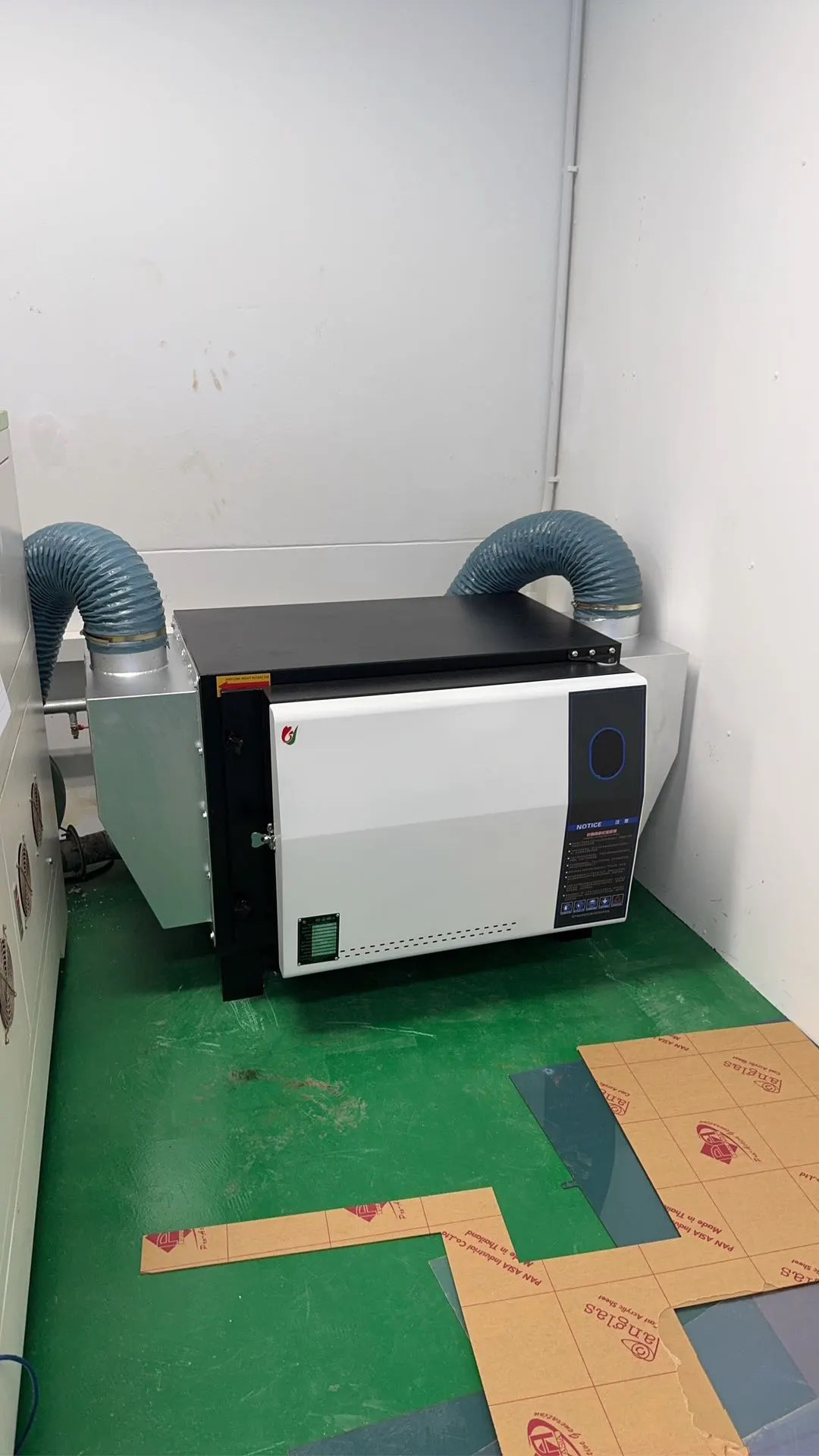
 Case study of 300000 air volume commercial electrostatic precipitator in Times Square, Philippines
 Jin Jieli customizes commercial electrostatic filters, customized electrostatic filter manufacturer
 Electrostatic Precipitator Project
 Technological route iteration: Multi level composite purification becomes mainstreamThe industry technology is evolving from single electrostatic adsorption to a multi-stage composite purification direction of "dual zone electrostatic+UV photolysis+catalytic deodorization".


Send Us A Message
Please give us a message